
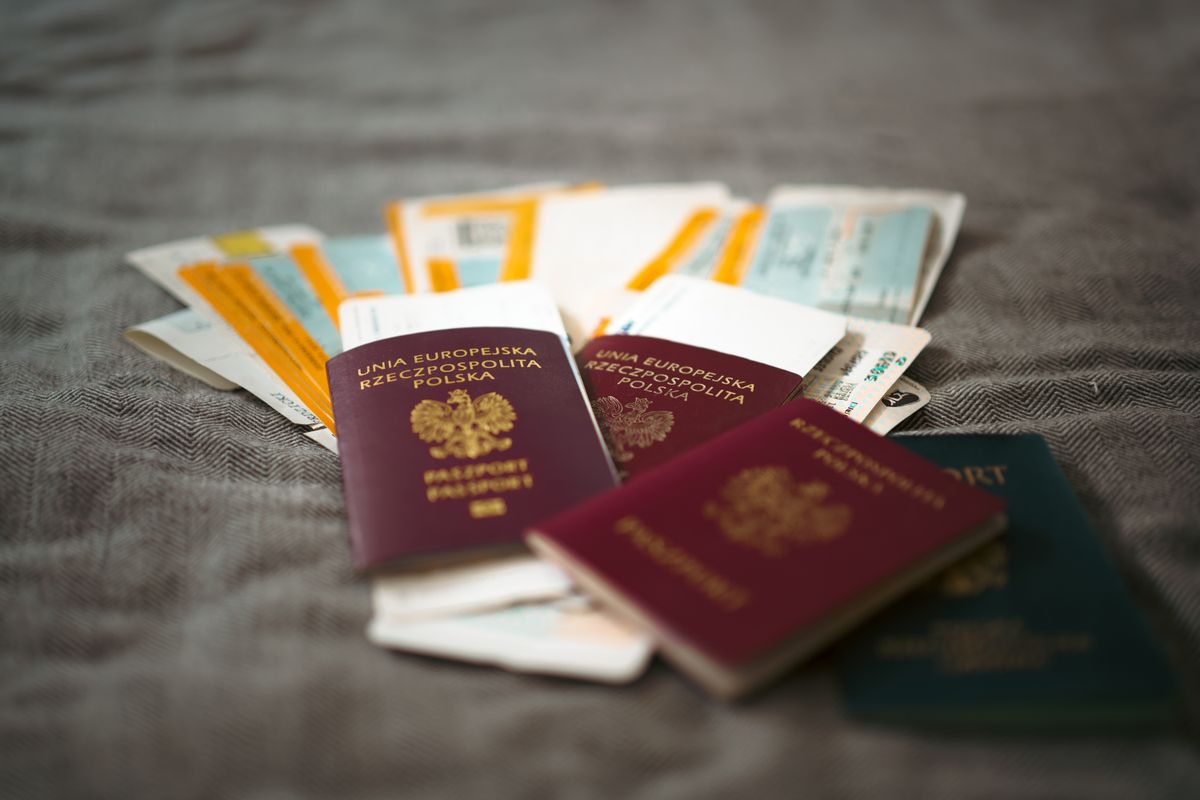
Thousands of people across Australia submit overseas paperwork every week for visas, citizenship, university admission, driver licence conversions, court matters, and professional registration. The receiving authority almost always asks for the foreign language version to be accompanied by an accurate English translation. That is where NAATI comes in. This guide walks through which Australian authorities expect NAATI accredited work in 2026, which documents trigger the requirement, and how to avoid the costly delays that follow a rejected file. If you are searching for reliable document translation services in Australia, the rules below will save you time and rework.
What a NAATI translation actually is
NAATI stands for the National Accreditation Authority for Translators and Interpreters. It is the body that certifies professional language practitioners working with English and more than 180 other languages. A NAATI certified translation carries the practitioner number, signature, and certification statement that Australian government officials and institutions are trained to recognise on sight. According to NAATI, more than 11,500 practitioners hold current credentials across the country, which is why naati translation services are treated as the default standard for any official paperwork lodged in Australia.
Why authorities insist on certified work
Officials need to trust the English version of a document the same way they trust the original. A certified practitioner attests that the translation is a true and accurate rendering of the source. That single line of accountability protects the authority from fraud, protects the applicant from being misunderstood, and keeps processing queues moving. When a clerk opens a NAATI certified translation, the layout, stamp, and statement match a known template, so the file moves to the next desk in minutes rather than weeks.
Federal departments that ask for NAATI work
The biggest volume of certified translation in the country goes through federal agencies. The table below shows the most common touchpoints and the documents that usually trigger a request.
| Federal authority | Typical documents | NAATI expected |
|---|---|---|
| Department of Home Affairs | Birth, marriage, divorce, police checks, identity pages | Yes, in almost every case |
| Australian Passport Office | Foreign identity and civil status records | Usually |
| Services Australia | Overseas civil records for Centrelink and Medicare | Frequently |
| Australian Taxation Office | Foreign tax statements, trust deeds, business records | Case by case |
Department of Home Affairs and visa lodgements
Visa applications generate the largest single share of certified work in the country. Partner, student, skilled migration, parent, and citizenship streams all rely on translated civil documents. Home Affairs guidance states clearly that translations completed inside Australia must be done by a NAATI accredited translator. Ordering a properly stamped marriage certificate translation at the start of a partner visa application is one of the simplest ways to keep your case off the rejection pile and out of the request for further information queue.
State and territory bodies
State agencies handle driver licence conversions, births deaths and marriages registries, school enrolments, and consumer matters. Transport NSW, VicRoads, Queensland TMR, Service WA, and ServiceSA all ask for certified English versions of foreign licences and supporting identity papers. State courts also expect certified work for any document tendered as evidence. The standard wording requested is almost always NAATI certified translation services completed inside Australia, since interstate recognition is automatic and dispute risk is lower.
Universities, TAFEs, and professional boards
Education providers want certified academic transcripts, degrees, diplomas, and reference letters before they will issue an offer letter or grant credit transfer. Group of Eight universities, regional campuses, and most TAFEs share the same expectation. Professional boards apply the same rule when assessing overseas qualifications.
- AHPRA for medical, nursing, and allied health registration
- Engineers Australia for migration skills assessment
- CPA Australia and CA ANZ for accounting credentials
- Trades Recognition Australia for licensed trades
- Teaching registration boards in each state
Courts and legal practitioners
Family Court, Federal Circuit and Family Court of Australia, local courts, and tribunals all require certified English versions of any foreign language exhibit. Solicitors handling probate, contested estates, commercial disputes, and cross border contracts almost always brief a NAATI practitioner. The work is treated as official document translation services and is admitted into evidence without the need for a separate affidavit confirming accuracy.
Documents that trigger a NAATI request
| Personal | Education | Legal | Business |
|---|---|---|---|
| Birth certificate | Degree | Court order | Company registration |
| Marriage certificate | Transcript | Affidavit | Tax records |
| Divorce certificate | Diploma | Police clearance | Contracts |
Five quick checks before you order
- Read the application guidelines and search for the words certified or NAATI
- Note any preference for digital certification or a physical stamp
- Check whether the original document also needs to be lodged
- Confirm the language pair you need is supported
- Ask the provider for a fixed quote in AUD before committing
If the receiving authority is silent on certification, default to NAATI. The cost difference is small and the protection against a rejection is significant. For a deeper look at digital versus stamped formats, see our explainer on NAATI stamp or digital certification.
Final word
Almost every official process in Australia that touches a foreign language document points back to the same answer. Use a NAATI certified practitioner, lodge a clean translation alongside a clear scan of the original, and keep a digital copy on file. Doing that one thing protects visas, court cases, university offers, and licence conversions from the most common reason for delay. For fast certified translation in Australia from $44.95 AUD, our team handles every document type covered above, often within 24 hours.